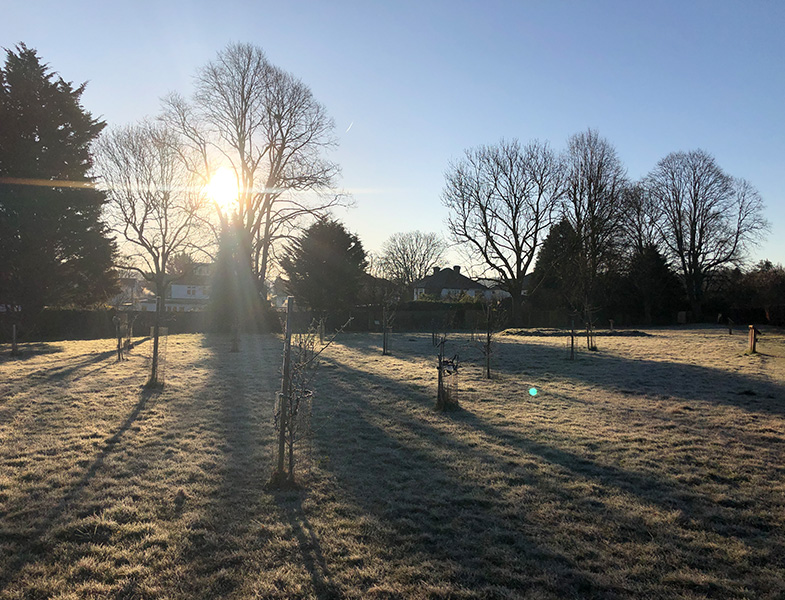
For those of you who have already received the latest CHVRA newsletter, you’ll see that Environmental Action Coney Hall (EACH) have an article inside explaining how you can help our native hedgehogs. There’s also information about an open gardens day. If you haven’t received your newsletter yet – don’t worry, it’s on the way!
There’s lots of news from Sarah Chant, at EACH, so much that we couldn’t fit it all in! So here’s the rest of her article for you to read, act on and share. Sarah, over to you…
EACH update
Those of us who planted snowdrops on the verges outside of our houses are reaping the benefits of these first signs of spring. With all the bad news facing us, we need to take their message of hope into the new year.
Why not pledge to do one thing to help preserve biodiversity in Coney Hall in 2025? It is not hard to do, in fact some actions don’t even require any effort! For example, I always leave fallen leaves and seed heads throughout the winter. It may not look tidy but the reward is a rich source of insect life and worms for the birds. I have enjoyed sipping my cup of tea whilst watching blackbirds rummaging about in them plus, the best news ever for me, I witnessed a song thrush joining the leaf party!
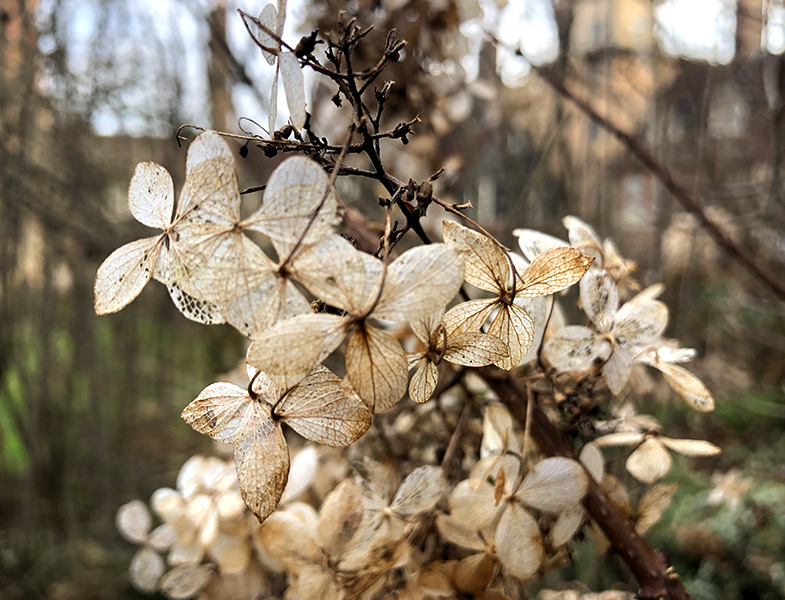
In the autumn newsletter, I wrote about the small meadow I have created in my garden. The flowers attracted numerous pollinators and chirping crickets and what’s more, I witnessed the tiny baby frogs and toads I had hand reared moving around safely in the long, damp grass. I understand that not everybody wants a meadow but remember, research has shown that just one metre square of long grass can help provide habitats and food for our threatened native species. In addition, a pond, however small will bring in a wealth of wildlife.
Here’s some useful links if you’d like to find out more:
• Natural History Museum: How to grow a lawn that’s better for wildlife
• RHS: Lawn and mini-meadow habitats
A word about water
You will have seen that our water company, Thames Water has been in the news recently. Whatever your thoughts are about the merits of privatisation verses nationalisation, the lack of investment in infrastructure affects us all. Our bills will increase and the sewage will continue to pour into our rivers, damaging nature and our health. I am campaigning on behalf of the river Pang, a chalk stream in Berkshire where I grew up. The Thames also runs through Pangbourne so I am equally concerned about what is happening to this great river which, of course is also our river in London.
It is 9.4 miles from here to the banks of the Thames. I often cycle to London. My journey takes me via Beckenham to Lower Sydenham and then along the banks of the Pool and the Ravensbourne rivers to Lewisham. Waterlink Way is an oasis of peace and as well as different species of waterfowl and discarded shopping trolleys, I have seen kingfishers flitting through the willows and reeds. The council and local volunteers are doing a great job restoring the river and the surrounding land. From there, a short cycle on the back roads leads me to Greenwich where I join the Thames path and follow it all the way to Tower Bridge. The sense of history and the urban beauty never ceases to fill me with wonder.
However, the current levels of pollution in the river are shocking. Rivers are a good example of how we are all connected. We may live 9 miles from the Thames but water is closer to us in Coney Hall than you might think. The river Beck is one of the tributaries of the Ravensbourne and the source of this river is in Spring Park. Its first mile forms a border between Bromley in Kent and the London Borough of Croydon in Surrey. It gives its name to Beck lane and Beck Way plus of course to the town of Beckenham.
From Beckenham, our river flows into Chaffinch Brook, then the Ravensbourne and finally flows into the Thames. We all feel the presence of sections of the river which have been channelled underground when we experience floods and you must have noticed the detritus from the sewage system on the Kate Gateway.
Climate change is increasing the instances of serious flooding as the residents of west London well know. Another tributary of the River Thames, The River Wandle, which runs through Croydon has just been polluted by a careless diesel spill. Believe it or not, the Wandle is a chalk stream. Chalkstreams are a very special type of river, almost unique to England: 85% of the 200 chalkstreams in the world are in England. Why are we allowing the pollution to destroy them? We ignore the plight of our rivers at our peril. Please remain informed and help to make Thames Water accountable to us as users and to ensure the company stops polluting our rivers with raw sewage.
Attention dog owners!
Finally, we also need to be aware of the environmental damage caused by flea treatments. I don’t use them on my dog – I prefer to check with a comb and keep her bedding clean – but I understand that others may want to take precautionary measures. However, please read the following article, if you are a dog owner.
Think globally. Act locally.
If you would like any further information about the work of EACH and /or you want to do something practical about the effects of climate change and the loss of biodiversity as an individual or as a family group, then join us! No money required.
In addition, you could become a Friend of Coney Hall Park – two for the price of one! These are not onerous commitments – you give as much time as you can manage when you can. Every one of us can make a difference even if we are short of time. You will be rewarded by meeting like-minded people in our community and by helping to keep the community spirit which we all value alive. I have some beautiful hand made ceramic hearts to give away to anyone who joins us. If you cannot help practically, you could display one in your front garden to show your support for nature. For more information, send me an email: sarahlouisechant@icloud.com
 Coney Hall Village Residents' Association (CHVRA)